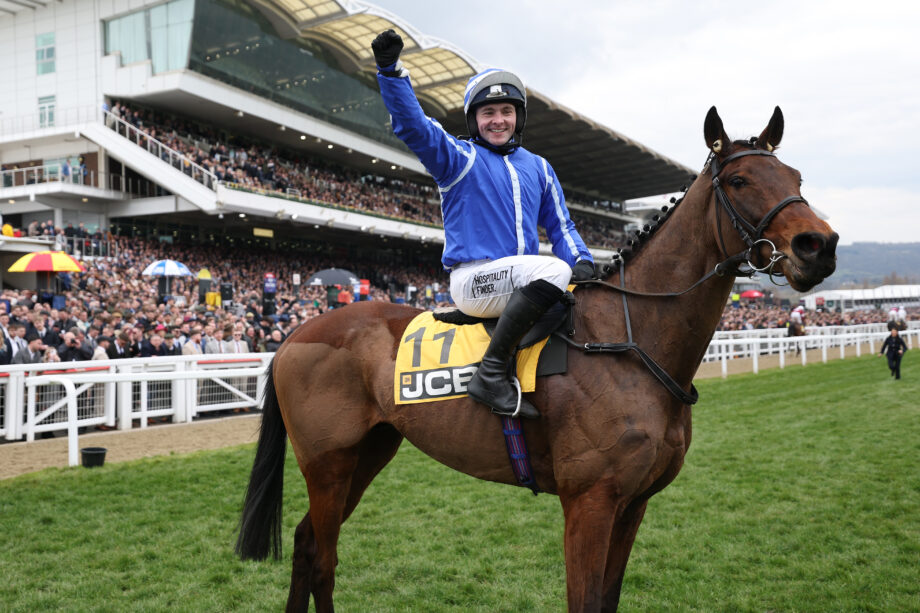
🏆 The Underdog Strikes Back: Ken's October Triumph
One month, one challenge, one junior analyst who shattered expectations
The Set-Up
October 2025 wasn't just another month in the racing calendar—it was a full-scale tipster showdown. Six competitors locked horns in a grueling 31-day marathon where every pick counted, every result mattered, and reputation meant nothing.
The lineup? Impressive on paper. Chris and Michael, the seasoned veterans with years of racing expertise under their belts. Peter, the methodical analyst known for his deep racecard knowledge. The Racing Post, the industry standard-bearer with decades of pedigree. Smart Racecards, our proprietary algorithmic system. And Ken... well, Ken was the junior analyst, the new kid on the block, expected to finish last and learn some lessons along the way.
The Shocking Results
Let's cut to the chase. Here are the final standings:
🥇 1st Place: Ken
- Net Profit: £3.78
- ROI: +3.05%
- Strike Rate: 19.35%
- 24 winners from 124 picks
2nd Place: Peter
- Net Profit: -£12.81 📉
- ROI: -10.33%
- Strike Rate: 15.32%
3rd Place: Smart Racecards
- Net Profit: -£28.49 📉
- ROI: -22.98%
- Strike Rate: 24.19% (most wins, but expensive!)
4th Place: Michael
- Net Profit: -£24.06 📉
- ROI: -21.48%
- Strike Rate: 14.29%
5th Place: Racing Post
- Net Profit: -£47.92 📉
- ROI: -38.65%
- Strike Rate: 20.16%
6th Place: Chris
- Net Profit: -£80.92 📉
- ROI: -65.26%
- Strike Rate: 7.26%
Yes, you read that correctly. The only tipster to finish in profit this month was Ken, the junior analyst who supposedly didn't have the experience, the contacts, or the insider knowledge.
Why Ken Won
So how did Ken pull off this David versus Goliath victory? Let's look at the evidence.
1. Smart Bankroll Management
While others chased glamorous long shots in Group races, Ken played smart. His approach was consistent: steady picks, sensible odds, and avoiding the temptation of that "life-changing" 50/1 shot that never quite materializes. His average odds were more conservative, but when you're the only person in the entire competition to show a profit, "conservative" looks pretty damn smart.
2. True Grit Under Pressure
Remember, this was a 31-day slog. With four picks a day and early losses mounting, many would have panicked and started chasing losses. Not Ken. He stuck to his guns, maintained his discipline, and let the long game do its work. By day 15, he was quietly in second place. By day 25, he'd taken the lead. By day 31, he was the only one left standing in the black.
3. Quality Over Hype
Ken's winners included some spectacular picks:
- Campenaerts (5/6F) on October 1st to get the month rolling
- Terrapin (7/2) two days later
- An Bradan Feasa (13/8F) in Southwell
But more importantly, he didn't get distracted by the drama. While others were analyzing the "form triangles" and "jockey/trainer patterns," Ken focused on one thing: picking horses that could actually win.
A Tough Month for the Competition
October was challenging for all tipsters—that's just the reality of horse racing. Even experienced analysts like Peter, Michael, and Chris struggled against the bookmaker margins that are designed to make profitable betting incredibly difficult.
Peter finished second overall with -£12.81, demonstrating that deep analysis and racecard knowledge can limit losses even when profits are hard to find. His 15.32% strike rate and disciplined approach kept him competitive.
Smart Racecards, our algorithmic system, actually found the most winners (30 from 124 picks for a 24.19% strike rate), but the long-priced selections meant the hit-and-miss nature of big odds proved costly overall.
Michael and Chris both struggled with value identification. Sometimes the horses that "should" win on paper don't deliver on the track—especially when factors like going, pace, and race tactics come into play. This month, the market's assessment largely held true.
The Reality of Racing Analysis
This competition highlighted something important: no system is perfect. Even with deep expertise, data analysis, or insider knowledge, October's results showed that sustained profitability requires something more fundamental.
What Made the Difference?
So what separated Ken from the rest this month?
Discipline and Patience: While others varied strategies seeking bigger wins, Ken maintained consistency. He didn't chase losses or abandon principles when results were slow.
Smart Risk Management: Rather than swinging for the fences with long-priced selections, Ken focused on horses that genuinely had winning chances at reasonable prices. This meant his occasional winners generated real profit rather than just covering losses.
Staying Grounded: Perhaps most importantly, Ken remembered that October's results are just one month's data. He didn't overthink it, didn't panic when behind, and didn't try to prove a point—he just made sensible, data-driven selections.
The truth is that profitable horse racing analysis is incredibly difficult. Bookmaker margins, unpredictable factors, and the competitive nature of the sport mean that even the best systems face long odds. What this competition showed is that humility, consistency, and discipline can sometimes overcome raw expertise.
What's Next?
November's competition is already underway, and the field will be looking to learn from October's results. Can Ken maintain his disciplined approach? Will Peter's deep analysis finally translate to sustainable profits? Will the Smart Racecards algorithm find better value in its selections?
One thing's for certain: this competition continues to prove that horse racing analysis is a marathon, not a sprint. October's results are just one data point in the bigger picture. The real winners are those who use setbacks as learning opportunities and maintain their principles even when the results aren't immediately rewarding.
Follow the full results and daily picks at Smart Racecards. Because sometimes the best insight comes from the most unexpected places.